Over the past few years, we have been discovering so much about the human body. Many diseases evolved, and we found cures too, but some diseases are still the harbinger of sadness for us. Cancer is one of the deadliest diseases in the world. Fear of cancer is constantly on the rise among humans. Spreading awareness about the disease always helps in increasing survival rates.
After skin cancer, breast cancer is the most common type of cancer. Thousands of people die of breast cancer every year. We can’t prevent it but can surely increase the survival rates. Let’s get informed and share the information with others as well so that one can choose the right treatment at the right time.
How Does Cancer Occur?
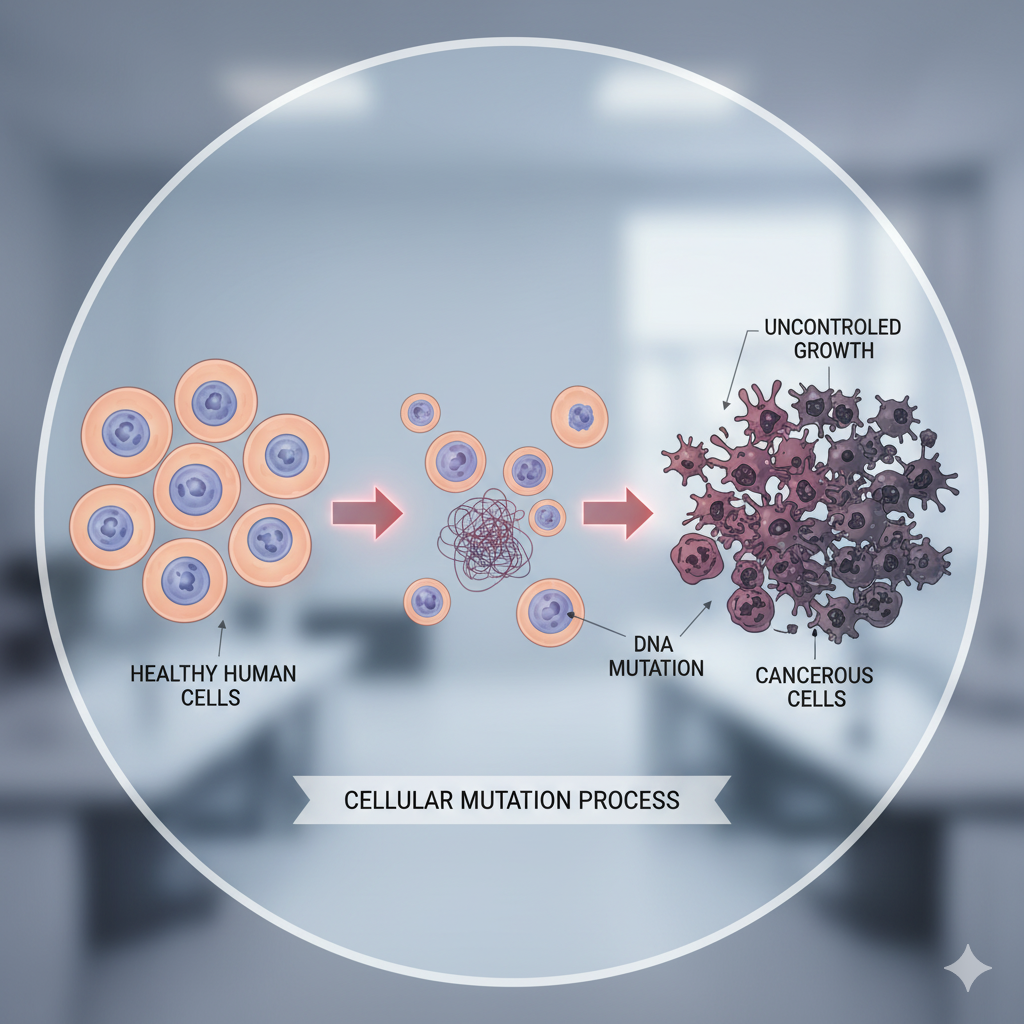
First of all, let’s understand what causes the deadly disease of cancer. As we all know, genes are the control centre of the cells. When the genes responsible for the regulation of cells get mutated, the consequence is cancer.
In the human body, old cells are replaced by healthier ones after they die out. Now, due to mutation, abnormal changes take place in the genes, and the cell becomes defective. This defective cell can divide without control. Subsequently, many cells similar to the defective ones are produced, resulting in the formation of a tumor.
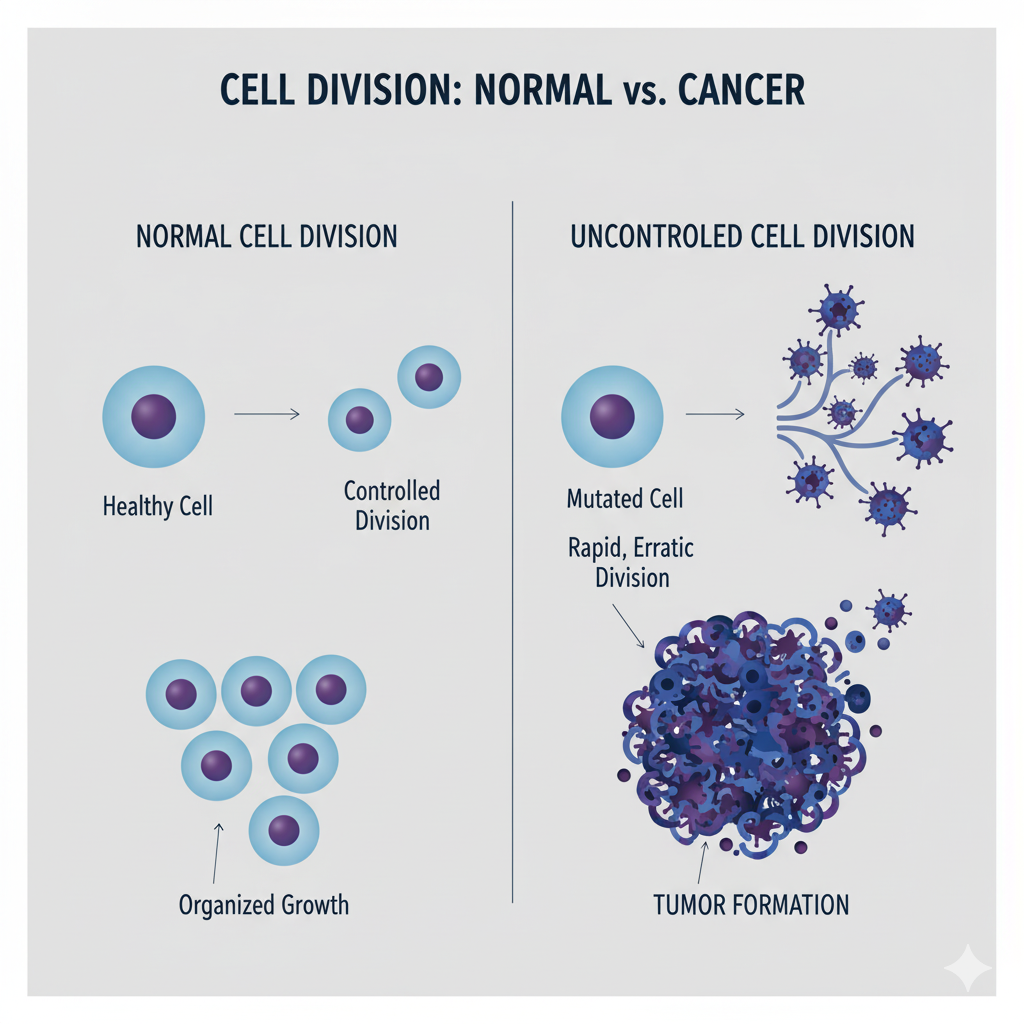
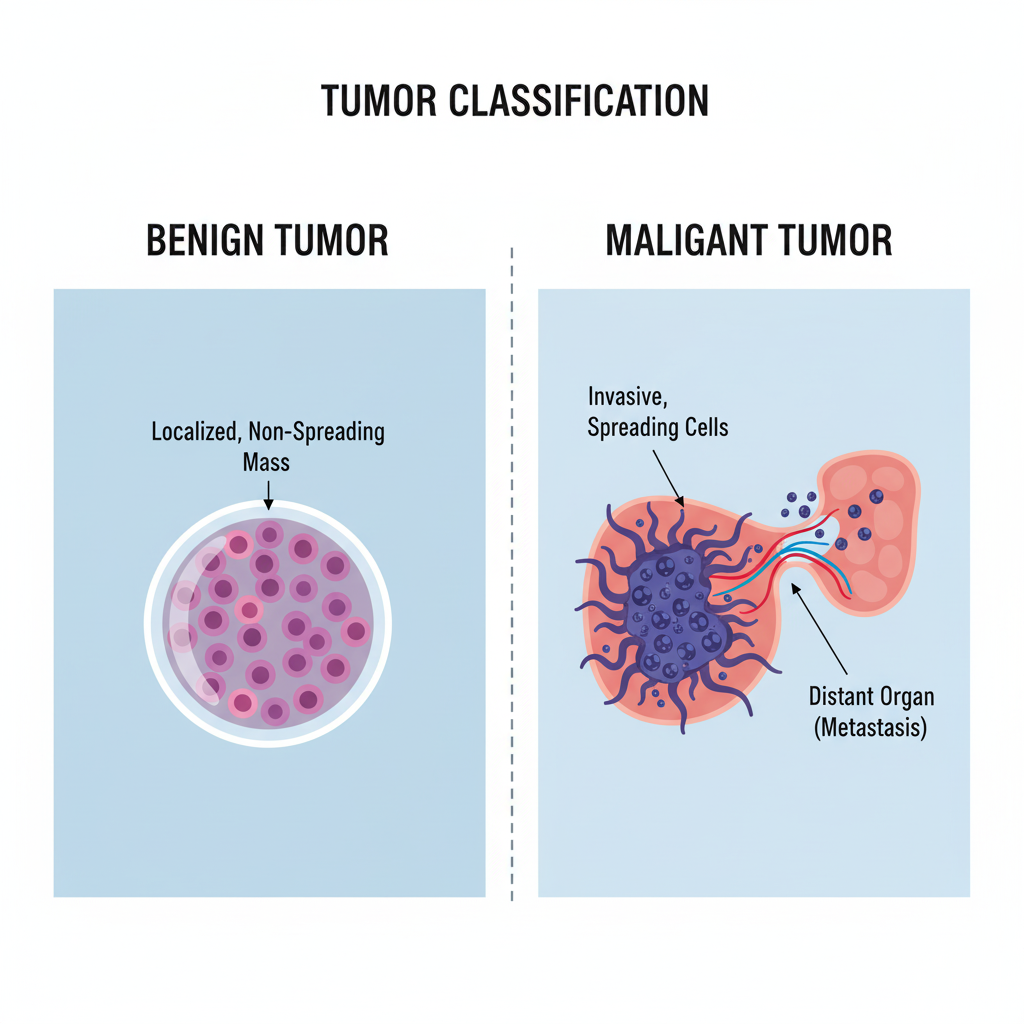
There are two types of tumors – Benign and Malignant. A malignant tumor is more dangerous than a benign tumor. Benign tumors aren’t considered cancerous because they do not spread to other parts of the body.
On the other hand, malignant tumors are cancerous. They have the ability to spread to other parts of the body. Now that we know the basics of cancer, let’s get back to the topic of breast cancer.
What Is Breast Cancer?
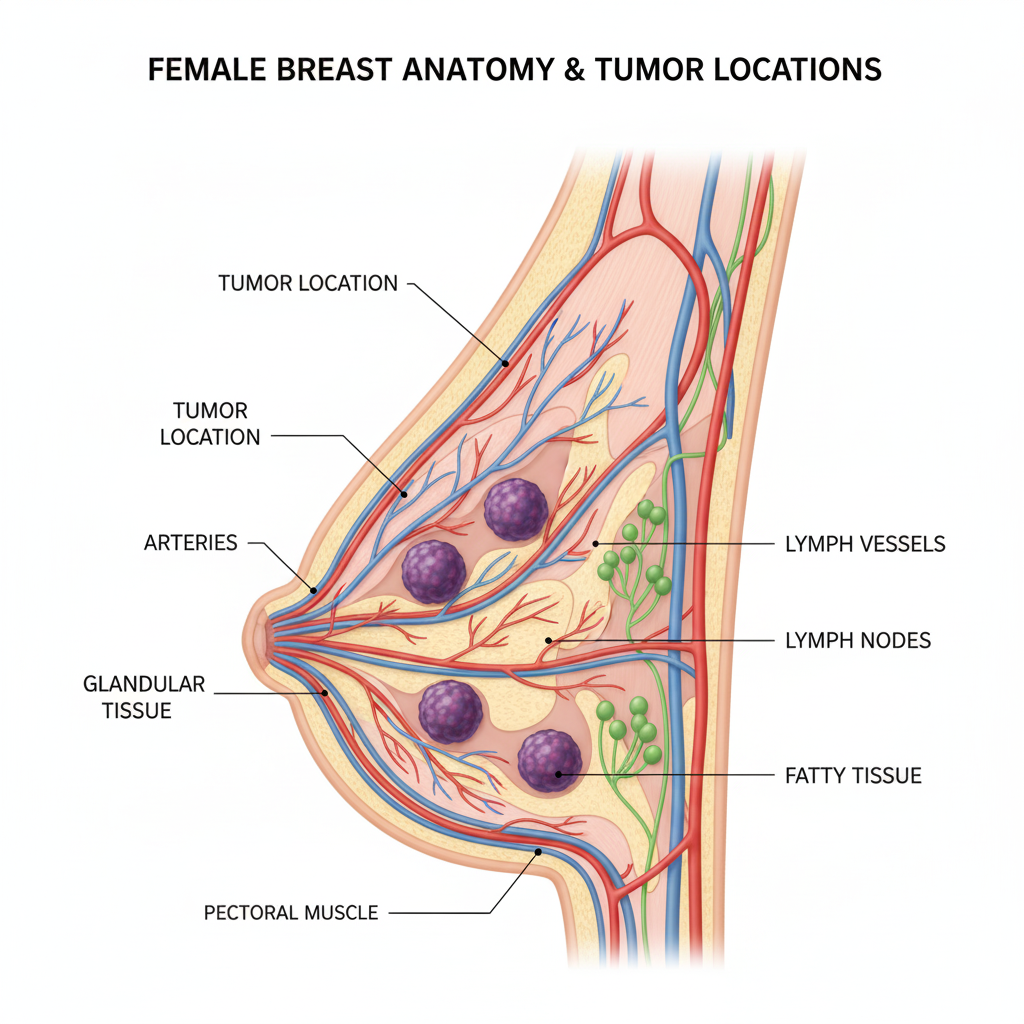
Breast cancer is the cancer that starts in the breast due to the uncontrolled growth of breast cells. It begins as a lump, which is considered a benign tumor. It can spread beyond that and become a malignant tumor (cancer).
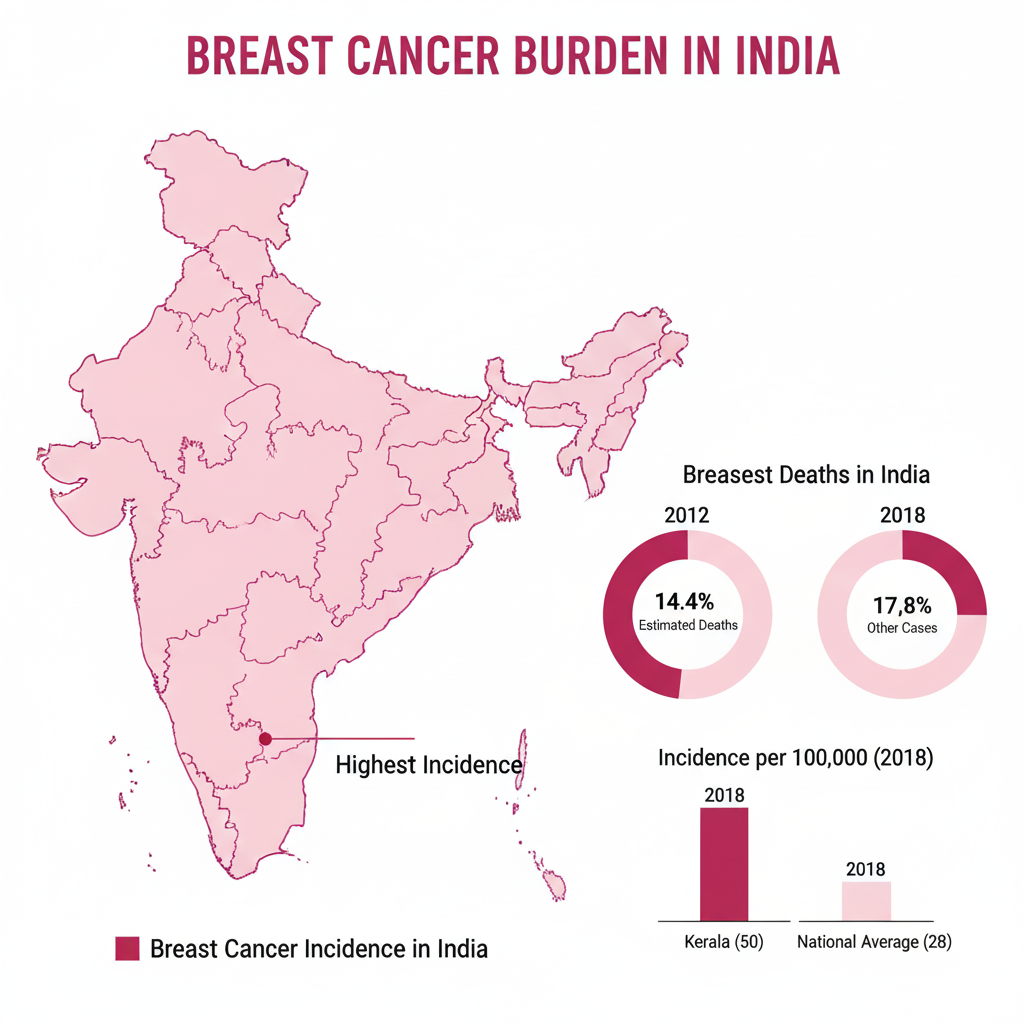
It is the second most common type of cancer in India. Studies have shown that in India, every 4 minutes one woman is diagnosed with breast cancer, and every 13 minutes one woman dies. India recorded the maximum deaths due to breast cancer in 2012. Lack of awareness is one of the reasons behind this high mortality rate.
If compared to the past, breast cancer survival rates have increased due to several factors such as a better understanding of the disease, earlier detection, and new approaches to treatment. Although there have been several campaigns and initiatives to spread awareness, we still have a long way to go.
| Indian State with Highest Cancer Rate | Kerala |
| Statistics of women died of Breast Cancer (2012) | 70,218 ( Highest in World for 2012) |
| 50% of all cases are in the age group | 25-50 years |
| Reported Deaths According to 2018 Report of Breast Cancer | 87,090 |
| New Registered Cases According to 2018 Report of Breast Cancer | 1,62,468 |
What Are the Symptoms of Breast Cancer?
The symptoms of breast cancer may vary from lumps to skin changes. Sometimes breast cancer has no symptoms at all. It is very important to see a doctor if you observe any symptoms related to breast cancer. The earlier it is found and diagnosed, the better the survival rate.
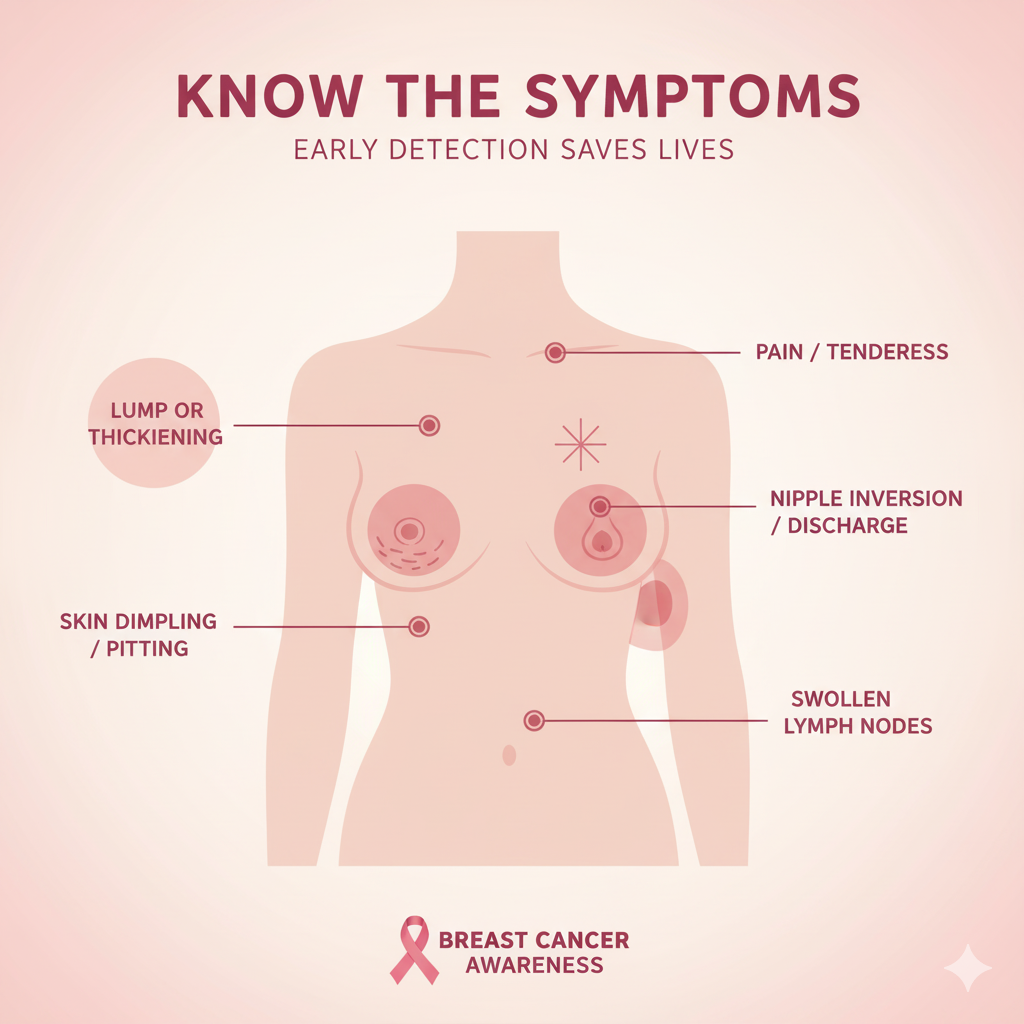
Here are the most common symptoms of breast cancer:
Change in the Look/Feel of the Breast
- Swelling of parts of the breast
- Breast pain
- Thickening or scaliness of breast skin
- Formation of a lump in the underarm area or inside the breast
- Change in the shape or size of the breast
- Feeling irritation or dimpling in breast skin
Change in the Look/Feel of the Nipple
- Nipple turns inward
- Experiencing nipple pain
- Redness or scaliness of nipple skin
- Nipple discharge (other than breast milk)
In some cases, the lumpiness of breasts is normal if it feels uniform throughout the breast. If you think lumps are harder or different from normal, it’s advisable to promptly see a doctor. If nipple discharge occurs in only one breast without squeezing the nipple or has a milky/bloody appearance, this might be a serious condition. Although nipple discharge can be caused due to other infections as well, it’s better to consult your healthcare provider.
Causes and Risk Factors of Breast Cancer
The actual cause of breast cancer is still not known. Doctors can’t tell exactly why some women develop breast cancer and some don’t. Even the woman suffering from the disease may not be able to tell the exact cause. What we have learned from studies and research is that breast cancer is caused due to damage in the DNA of the cell.
There are several modifiable and non-modifiable risk factors for breast cancer.
Risk Factors of Breast Cancer
There are several risk factors for breast cancer. You can control some of these, and some you can’t. However, studies have shown that 75% of women have developed breast cancer without these factors.
Risk Factors That You Can Change
- Your weight and diet
- Physical activity
- Your reproductive history (first child after the age of 30, or not having a full-term pregnancy)
- Consumption of alcohol
- Taking hormones
Risk Factors That You Cannot Control
- Personal history of cancer
- Your family history
- Age
- Menstrual history
- Change in genes
- Dense breasts
- Radiation
Breast Cancer Stages
Breast cancer is classified into stages to determine the extent of the cancer. This staging helps doctors provide specific treatment to patients. Stages are divided according to the size and location of the tumor. It also indicates the rate of recurrence and survival rates.
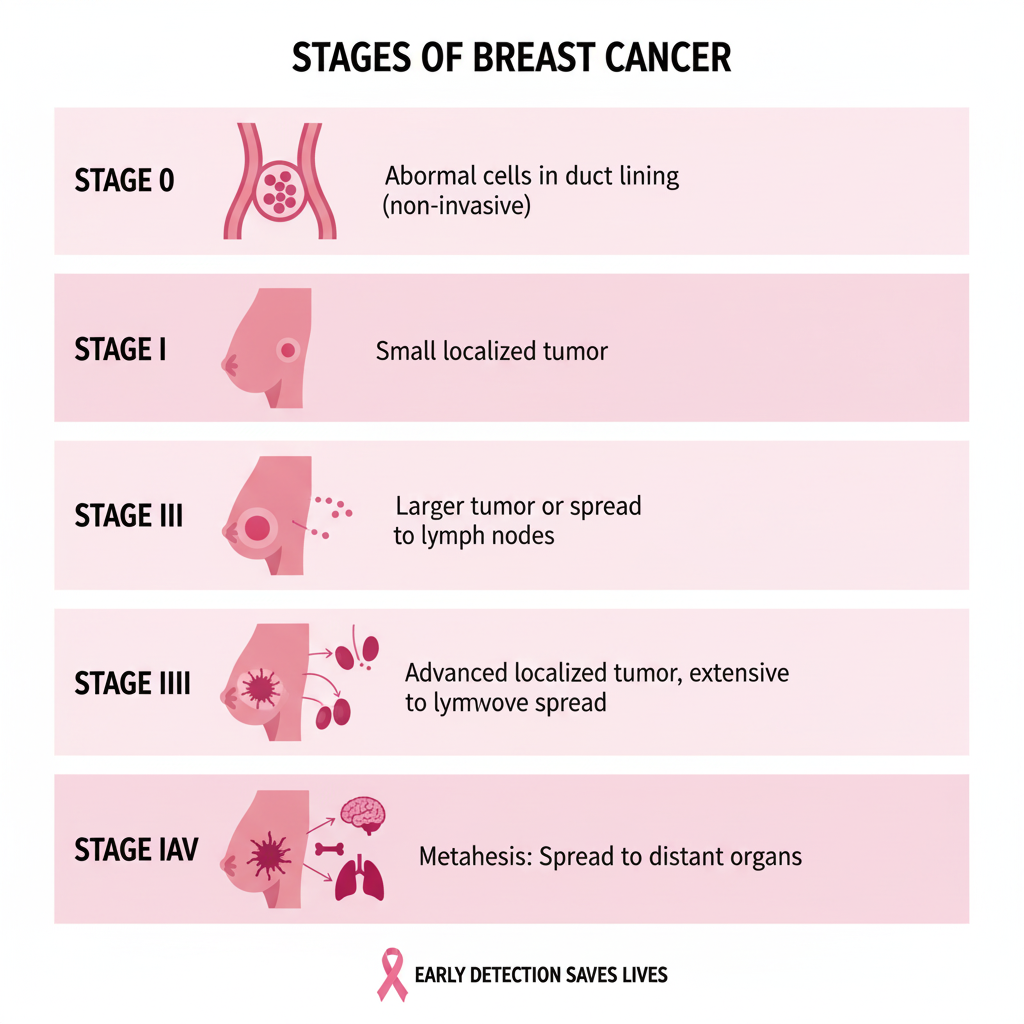
Let’s take a look at the different stages of breast cancer:
- Stage 0 (Early Stage): Generally known as non-invasive breast cancer. In this stage, cancer hasn’t spread to the lymph nodes.
- Stage I: The cancer is approximately 2 cm in size and hasn’t spread.
- Stage IIA: The tumor is either between 2–5 cm without lymph node involvement or smaller than 2 cm with lymph node involvement.
- Stage IIB: The tumor is either between 2–5 cm with lymph node involvement or larger than 5 cm without lymph node involvement.
- Stage IIIA: The tumor is either larger than 5 cm with lymph node involvement or of any size with cancerous lymph nodes.
- Stage IIIB: The tumor has spread to the chest wall.
- Stage IIIC: The tumor has spread further and involves more lymph nodes.
- Stage IV: The tumor has spread to other parts of the body such as the lungs, liver, brain, or bones.
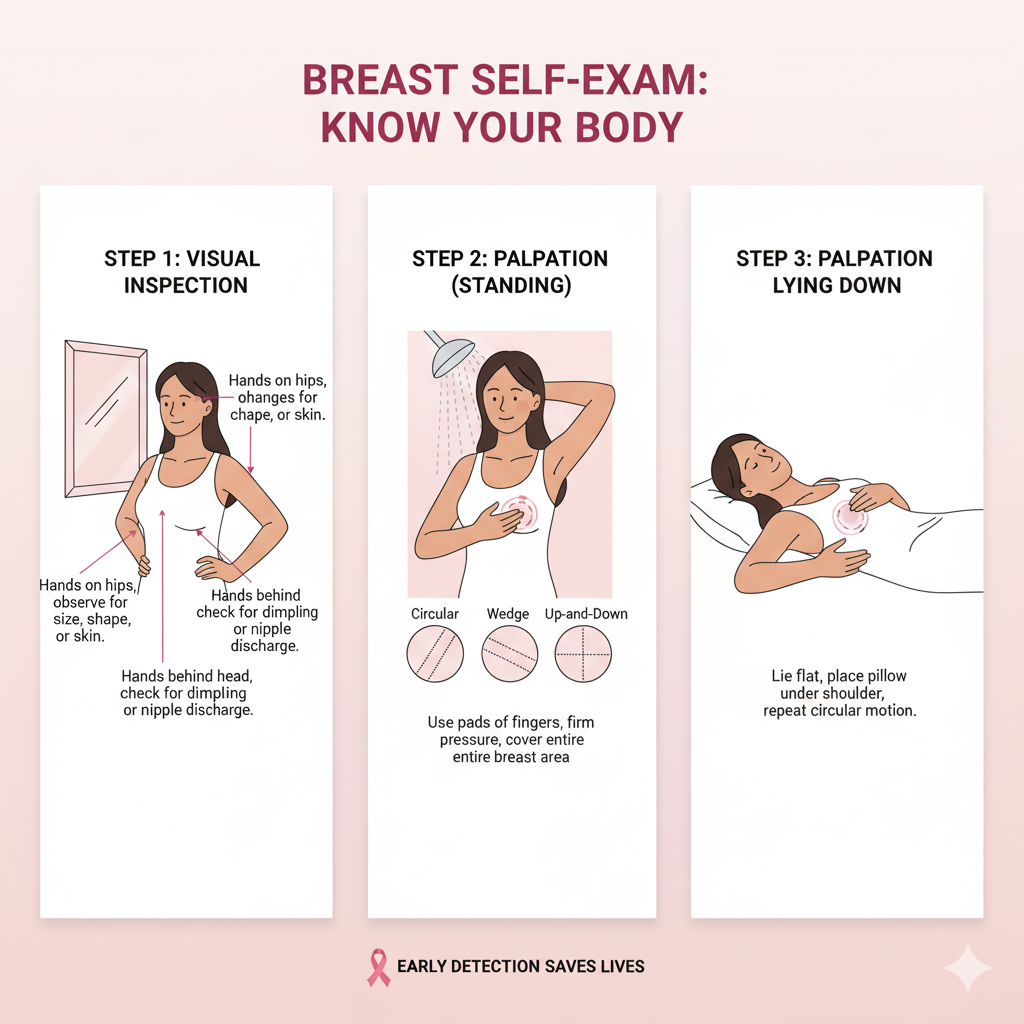
Get more information on breast cancer types, diagnosis, treatment, prevention, and awareness.